A Checklist for the Perfect Nighttime Routine (Without Overcomplicating It)

Most evening routines fail for a boring reason: they are too long. You read that you should journal, stretch, read, meditate, prep tomorrow's lunch and be asleep by half ten, and by Thursday the whole thing has collapsed. The version that survives is the one you can finish on a Tuesday when you are tired and the washing-up is still in the sink. So treat what follows as a checklist rather than a regime. Tick four or five boxes, ignore the rest, and keep only the ones that earn their place.
Start With Light, Because Light Sets the Clock
Light is the loudest signal your body uses to work out whether it is evening or still late afternoon. Most homes get this backwards: bright ceiling lights on until bedtime, then a phone held six inches from the face. Both tell your system to stay alert.
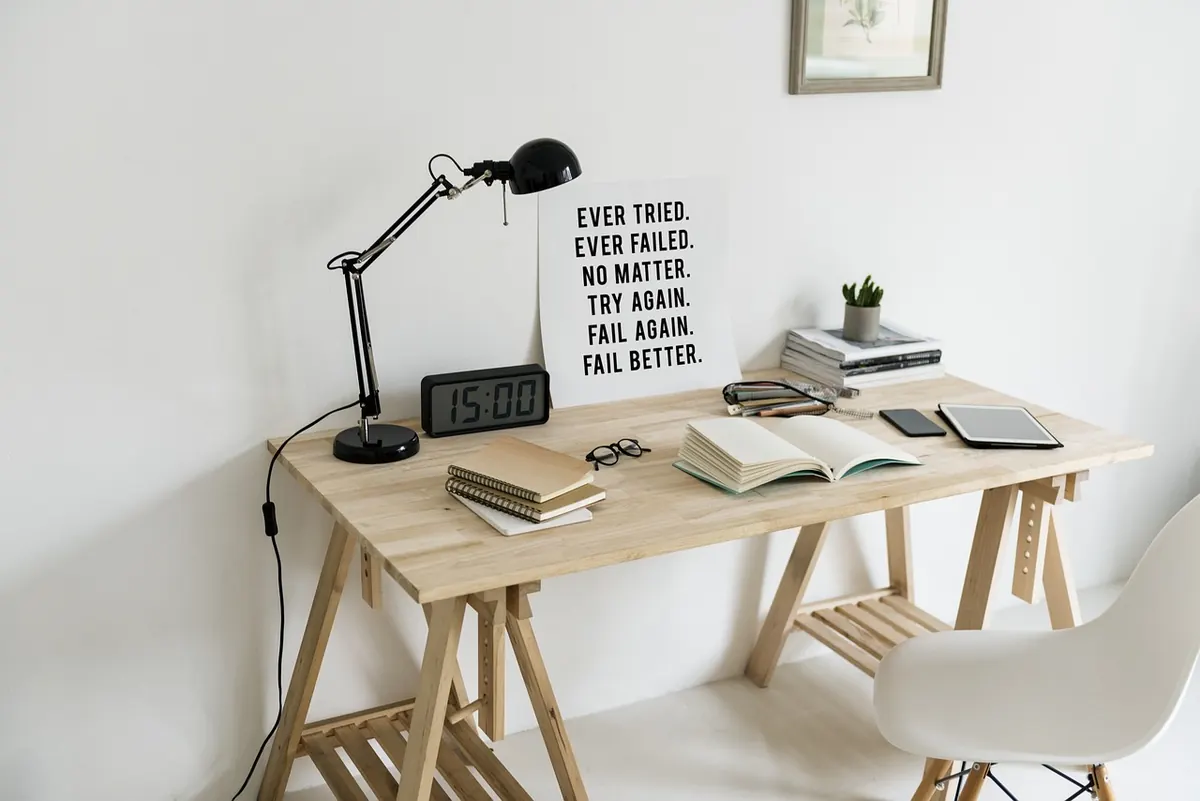
An hour or so before bed, turn off the main ceiling light. That single switch does more than any sleep app. Move to two lamps instead of one bright overhead source, and keep them low — a small pool of light near a chair or a bedside table reads as winding down in a way that floodlit rooms simply do not. If your bulbs are cold white, warm ones make a noticeable difference and cost very little to swap.
If you change nothing else tonight, do this: dim your screen and sit with a lamp behind you rather than a bright window in front of your face.
The two-minute version, for nights when you cannot be bothered
- Ceiling light off, one lamp on.
- Phone on charge somewhere that is not your bedside table.
- Blinds or curtains part-way open, so morning light gets in before your alarm does.
Give the Day Somewhere to Stop
Journaling has a reputation problem. People picture a leather notebook and a page of feelings, then feel guilty when they write two lines and stop. What actually helps at night is much duller: getting the unfinished business out of your head and onto paper, so your mind stops rehearsing it at half eleven.
Try three lines, every night, in the same order:
- What happened today that is worth remembering — one sentence, no analysis.
- What is still open — the email you owe, the form you have not posted, the thing you keep meaning to book. Write it down so you do not have to hold it.
- The first move tomorrow — not a full plan, just the first small action. "Open the spreadsheet and read the tab labelled March" is better than "sort out the budget".
Keep the notebook by the bed and use a pen that works. A five-minute brain dump is not a diary, and it is not meant to be interesting. If you find yourself writing a long emotional entry and getting more awake as you go, switch back to the list. Insight is a daytime job.
If writing makes you restless
Some people find the act of writing stirs everything up. If that is you, say the three things out loud instead, or set a ten-minute worry window at seven in the evening and put the day to bed then. The point is a container for the day's loose ends, not a particular format.
Bring the Body Down, Not Just the Brain
A warm shower or bath an hour or so before bed helps a lot of people, and the reason is unglamorous: you warm up, then cool down, and that downward drift in body temperature tends to make sleep come more easily. Warm feet do the same trick — socks in winter are not a weakness.
Keep the bedroom cool and the bed warm. Ten minutes of stretching on the floor, a slow walk around the block, or a few minutes of breathing with a longer exhale than inhale will all do. What you are after is a gentle off-ramp, not a workout. Anything that leaves you sweaty, wired or checking your heart rate is the wrong tool at ten at night.
Be Honest About Screens
The advice to give up screens after eight is ignored by almost everyone, including the people who write it. So aim lower and pick something you will actually stick to. Choose your cut-off by activity, not by device: scrolling ends, watching something you deliberately chose does not. Put the phone on charge across the room, or better, outside the bedroom. Set it to silent and turn the screen face down.
If you read on a phone or tablet, that is fine — just read one thing rather than drifting into a feed. The difference between an hour of a novel and an hour of short videos is not the screen. It is the finish line.
The Checklist
Work through it in the same order each night. The order itself becomes the signal, which is the whole trick.
- Main lights off, warm lamps on, one hour before bed.
- Phone on charge away from the bed, notifications off.
- Ten-minute kitchen reset: surfaces clear, tomorrow's mug and bowl out.
- Clothes for tomorrow laid out; bag and keys by the door.
- Warm shower, or ten minutes of stretching.
- Three lines in the notebook: today, open loops, first move.
- Something to read that is not a feed.
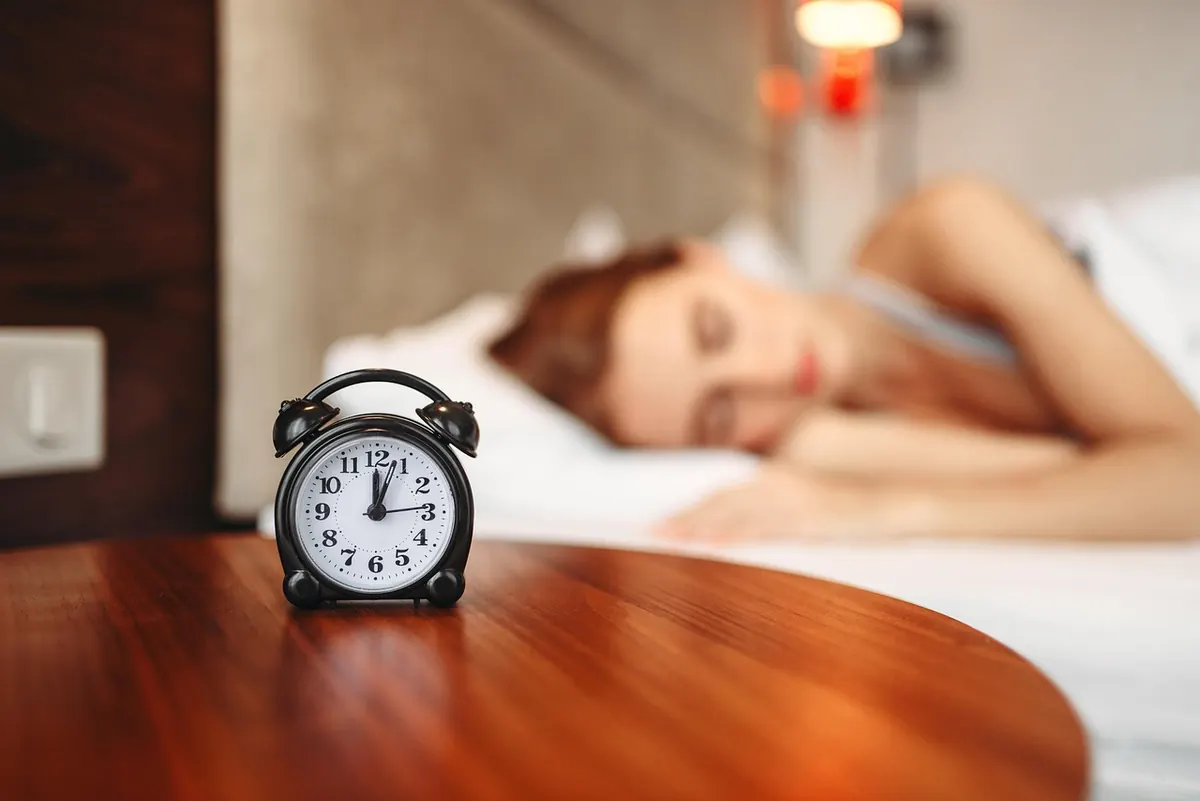
- Alarm set once. Clock face turned away, so you cannot check it at 2am.
- Roughly the same bedtime and wake time, weekends included where you can manage it.
Nine boxes is the full list, not the nightly target. Two or three, done consistently, will beat all nine done twice and abandoned.
What to Do When the Routine Falls Apart
There will be late nights, children who will not settle, work that runs over, and evenings when the sofa wins. On those nights, drop to the anchors: lights down, phone out of the bedroom, alarm set. That is the routine at its minimum, and it is enough to hold the shape until tomorrow.
If you have tried the sensible things for several weeks and still cannot sleep, that is worth a conversation with your GP rather than another checklist. Persistent sleep problems can have causes that no amount of lamp-switching will fix, and it is not a personal failing to ask for help with them.
Photo: Alexas_Fotos / Pixabay