How to Build a Consistent Sleep Schedule in a British Winter
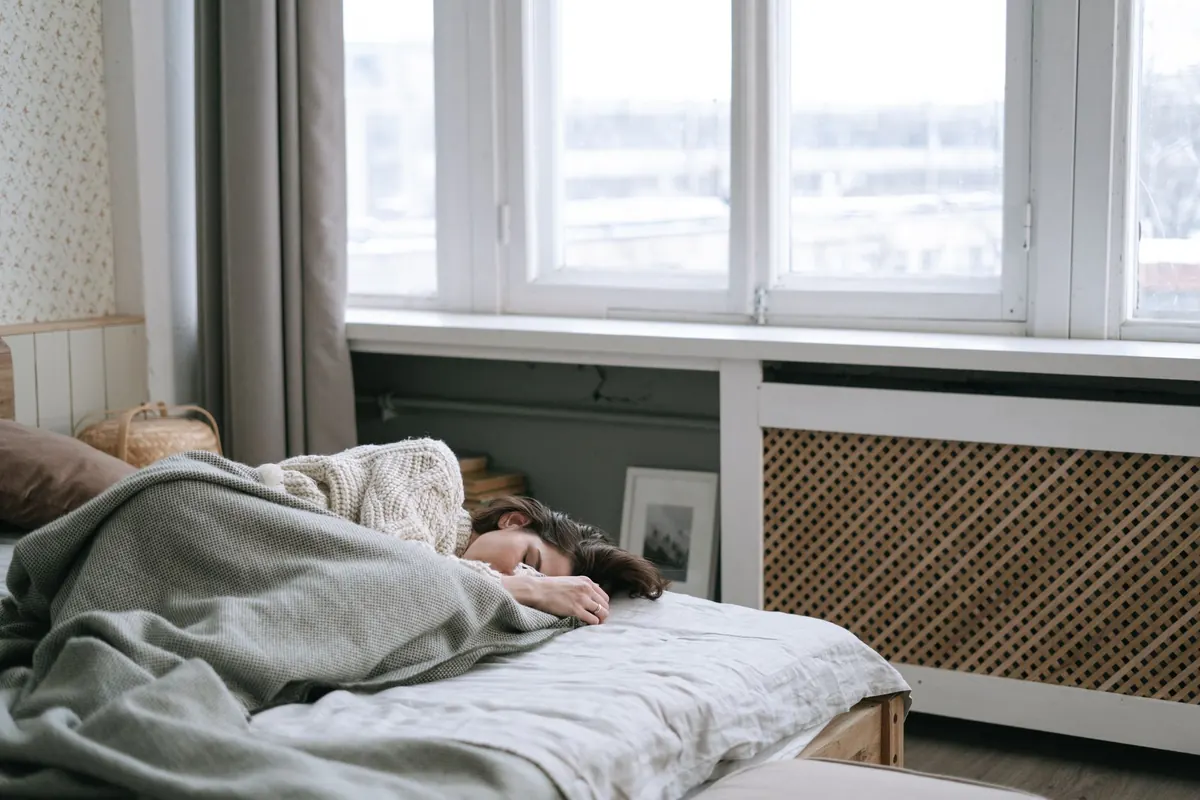
By half past three on a December afternoon, the light in most of Britain has already begun to go. By five it is properly dark, and the evening stretches ahead like something to be got through rather than enjoyed. No wonder winter sleep goes sideways: you feel ready for bed at nine, wake at three, drag yourself up in the dark, then repeat it all on Saturday with a two-hour lie-in that leaves you groggy until Tuesday.
The fix is not complicated and does not involve buying much. It comes down to two things: a wake time you protect, and light — when you get it, and when you don't.
Why winter is hard on your body clock
Your internal clock is not set by the clock on the wall. It is set by light, mostly the light that reaches your eyes in the first hour or two after waking, and by the darkness in the hours before bed. In summer that is easy: the sun is up before you are, and the signal arrives without effort.
Winter reverses it. You wake in the dark, travel in grey light or none at all, and by the time you finish work the day is over. Weak morning light tells your clock to drift later, which is why winter mornings feel brutal even after eight hours of sleep. Early darkness then makes the evening feel longer, and easier to fill with screens, extra coffee and a second helping of anything warm.
One note before we go further: if low mood in winter is more than a passing slump, or you are sleeping badly for weeks on end, speak to your GP. Persistent insomnia and seasonal low mood are worth a professional conversation.
Anchor the wake time, not the bedtime
Most people try to fix their sleep by choosing a bedtime. That rarely holds. You cannot force sleep at 10.30pm if your body is not ready, and lying awake in the dark only teaches you to associate bed with frustration.
The lever that actually works is the wake time. Pick one you can hold seven days a week — realistically, not heroically. If you need to be at your desk for nine, 6.45am might be right. If you work from home, 7.30am is a perfectly good anchor. Then hold it, including the weekend, for a fortnight before judging whether it is working.
- Put the alarm across the room, or use one that needs you upright to switch off.
- Have a boring morning cue ready: kettle on, curtains open, lights up. No decisions at 6.50am.
- Expect the first four or five mornings to be grim. That is the adjustment, not a sign of failure.
- If you sleep badly, keep the wake time anyway. A rough night does not change the plan.
Once the wake time is stable, bedtime tends to move earlier on its own, because you are genuinely tired at the right hour.
Get bright light early, dim light late
This is the part that does most of the work in a British winter, and the part people skip.
Morning
Get outside within an hour of waking if you can — overcast, drizzling, whatever the forecast says. Cloudy outdoor light in January is still far brighter than your kitchen ceiling, and brightness is what your clock reads. A walk to the shop for milk counts. Standing in the garden with a mug of tea counts. Sitting by a window does not really count; glass and distance cut the light considerably.
If you leave and return in darkness, a light box used for around 20 to 30 minutes in the morning is a reasonable substitute for some people. Follow the manufacturer's guidance, and check with your GP first if you have an eye condition or a mood disorder.
Midday
Take lunch outside. Twenty minutes at midday in December does more for your rhythm than an hour of indoor light in the evening — and it breaks up the day, so the dark afternoons feel less like one long haul.
Evening
Then go the other way. From about two hours before bed, lower the lights you sit under. Swap the overhead bulb for a lamp, put the lamp low rather than overhead, and turn the brightness down on your phone. You are not aiming for candlelight and no television. You are aiming for a room that quietly says the day is ending.
An evening routine that suits a dark night
The advantage of a British winter is that the darkness comes to you. Use it.
- Set a caffeine cut-off in the early afternoon, work out your own time, then keep it consistent.
- Eat your main meal earlier where you can, and keep late snacking light.
- Go easy on alcohol in the evening. It makes you drowsy, then tends to break sleep in the second half of the night.
- Do something with your hands for the last hour: cooking, tidying, a bath, a paper book, a puzzle. Screens are not banned, but scrolling is the worst version of them.
- Keep the bedroom cool and dark, and get up if you have been lying awake for more than about twenty minutes.
Weekend drift, and how to avoid it
Two extra hours in bed on Sunday sounds like recovery. In practice it is a mild version of jet lag: your clock shifts later, Sunday night is difficult, and Monday morning is a punishment.
- Allow a lie-in of no more than about an hour, then get up and get some light.
- If you are exhausted, nap in the early afternoon — 20 to 30 minutes, alarm set.
- To repay sleep debt, go to bed earlier rather than getting up later. The morning anchor stays intact.
- Aim for the same wake time on five days out of seven, with an hour's grace on the other two.
The clocks also change at the end of October. Treat it as a one-hour shift and give yourself a few days to settle rather than expecting to adapt overnight.
Putting it together this week
Start with the wake time. Hold it for a week, get outside in the morning, dim the evenings. Add the rest — caffeine timing, weekend discipline, a proper wind-down — once the basics are in place.
You will not feel transformed by Wednesday. What you will notice, usually in the second week, is that getting up in the dark becomes ordinary rather than dramatic, and that you are sleepy at a sensible hour without having to talk yourself into it. In a British winter, that is a good result. Keep the anchor steady and let the light do the rest.
Photo: Ivan S / Pexels